

Stalled renovations back on track
Asbestos Removal in Levittown, NY That Gets a Stopped Job Moving Again
When the floor tile, pipe wrap or boiler jacket in a postwar Levittown house turns out to be suspect, we sample it, remove what tests positive inside a sealed work area and hand the cleared space back so your contractor can pick up where the work stopped.
How every job is handled
Sampled before it is priced
Suspect material goes to an accredited lab, so the scope covers what actually tests positive.
Sealed off under negative air
Plastic sheeting, closed vents and HEPA-filtered air keep fibers inside the work zone.
Damp from start to finish
Every piece is sprayed down before a hand goes near it, so fibers stay heavy while it comes out.
Bagged, labeled, hauled properly
Waste leaves sealed and marked, bound for a facility permitted to accept it.
Air tested before you return
An independent clearance check comes back clean before anyone walks back into the room.
Asbestos Services That Clear the Way for Your Project
Most calls start the same way: a contractor pulled up a floor or opened a wall, found something that looked old and fibrous, and everything stopped. Others start with a burst pipe at night, or with a New York City permit that cannot move until the asbestos paperwork is in order. These are the five kinds of work we take on, so you can see where your situation fits before you pick up the phone.
Asbestos Removal
Boiler jackets and pipe lagging, small square tile with its tar-black glue, sprayed ceiling texture, seam compound, cement siding, old roof shingles and duct wrap, each lifted out behind plastic and checked by an air test so the kitchen, basement or heating job can carry on.
Emergency Asbestos Removal
When a leak, a fire, a storm or a demolition mistake has already broken suspect material open, someone picks up at any hour and a crew heads over to close the space off and deal with the debris correctly.
Asbestos Testing
Before a remodel, sale or repair, an inspector certified for the work cuts small pieces from whatever looks doubtful, and a lab with proper accreditation reports which ones carry asbestos and which are fine to leave.
ACP-5 Filing
Owners and builders running jobs over the city line often need this DEP report before a Buildings Department permit can move, provided the renovation stays clear of any regulated asbestos.
DEP Asbestos Stop Work Order Removal
If a city project has been frozen by DEP over asbestos, we line up the paperwork, carry out the abatement with air sampling running, and assemble what the request to lift the order relies on.
Six Steps From the First Call to a Cleared Room
You describe what you found
Walk us through the building, what you uncovered and how far along the work is. If a permit is waiting, an inspector is due back or a stop work order is posted, say so up front so the plan is built around it.
Samples go to the lab
A certified inspector looks over the suspect materials and takes samples, and an accredited laboratory confirms which ones contain asbestos and which do not.
Paperwork and a written scope
Any notifications the job requires, or an ACP-5 for a city project, get drafted, and the removal plan and its price arrive on paper before a single tile is lifted.
The work area is sealed
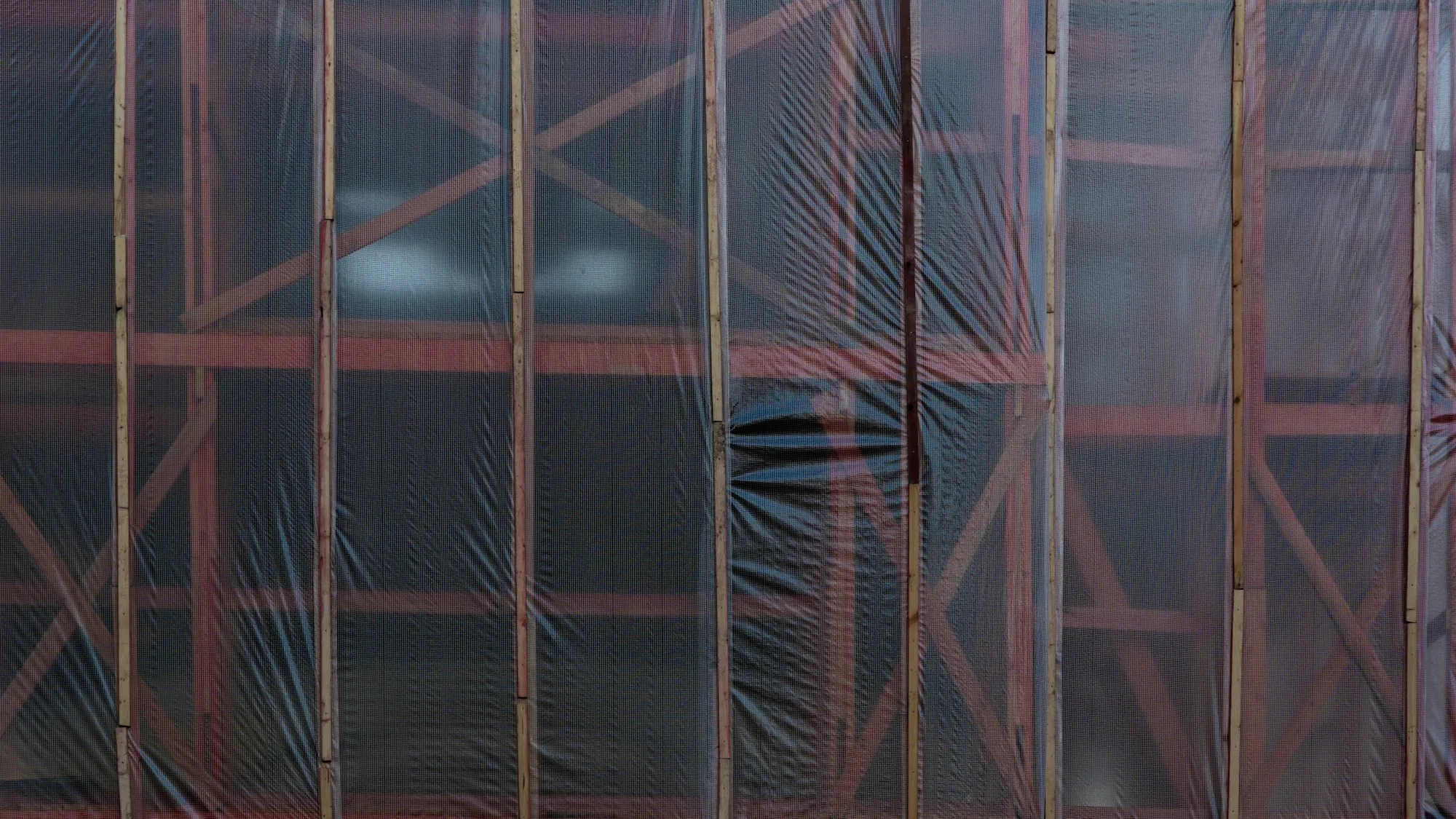
Poly sheeting goes up, vents and doorways are taped shut, and filtered fans pull air toward the machines so dust travels inward rather than out into the house.
Licensed handlers remove it wet
Our handlers dampen the material, bring it down one section at a time and packs it in marked, sealed bags or sheeting headed for a disposal site holding the right permit.
Cleanup and air clearance
Everything inside the plastic is vacuumed through HEPA filters and hand-wiped wet, and an outside air tester must report the room clear before anyone in your household or on your crew steps back inside.
Why Contractors and Homeowners Hand Us the Hard Part
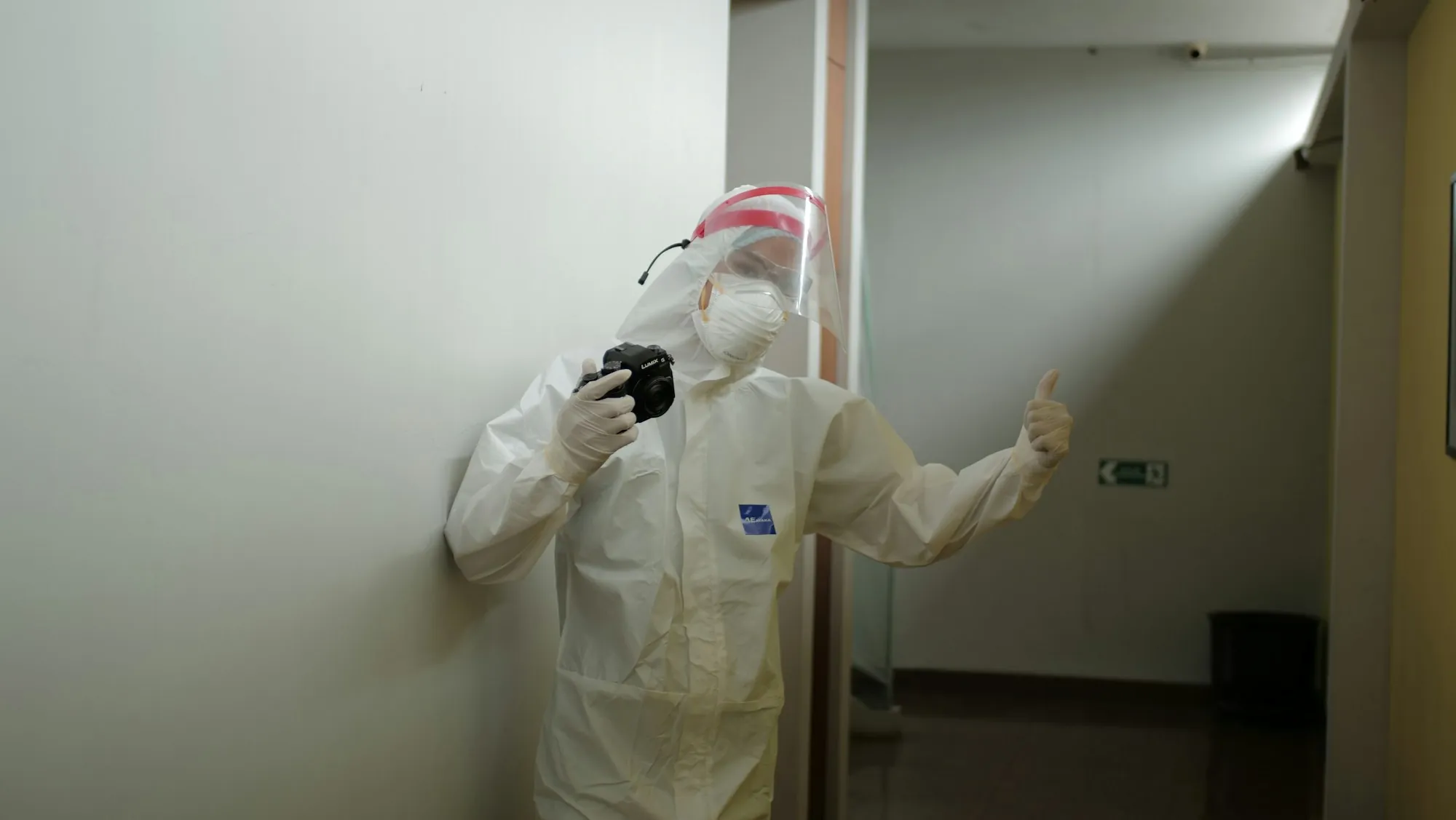
An asbestos find rarely arrives at a convenient moment. It shows up halfway through a demolition, the night a pipe lets go, or the week a closing is scheduled. What you need then is someone who answers, sends people who know the rules, and works carefully enough that nothing has to be redone.
Someone picks up at any hour
The phone is answered live around the clock, nights and weekends included. If something has already been broken open, we dispatch people to seal it off instead of leaving you to wait for the next business day.
Credentialed handlers, not day labor
New York requires licensed handlers for this work, and every person on our crews carries the asbestos handler credentials and safety training the job calls for. Nobody is learning containment for the first time in your basement.
Used to jobs that get inspected closely
Our crews have worked on projects where every procedure is checked, from how the containment is built to how the waste is logged. That habit carries over to a single kitchen floor, so the work holds up when someone looks.
Asbestos Removal Across Levittown and Central Nassau
Levittown grew almost all at once after the war, and many of those Cape Cods and ranches still carry original floor tile, ductwork wrap and boiler insulation under later updates. The same goes for the older blocks of Wantagh, Hicksville, East Meadow and the towns along the Southern State and the Long Island Expressway. We cover all of central and southern Nassau County and the neighboring edge of Suffolk, so whether the job is off the Wantagh Parkway or up near Jericho Turnpike, the crew and the method are the same.
Capes, ranches and split-levels
Expanded attics, finished basements and swapped-out heating systems often expose original materials hidden under later finishes. We sample before anyone tears into them.
Storefronts and small buildings
Shops along the main corridors, office suites and mixed-use buildings get the same sealed containment, with the work planned around tenants and opening hours.
Owners with city projects too
Plenty of Nassau owners and contractors also run jobs across the city line, in Queens and beyond, which is where ACP-5 filings and DEP stop work orders come in.
Towns we cover
- LevittownWantagh Parkway & Southern State ParkwayHome base
- BethpageBethpage State Parkway
- WantaghWantagh Parkway & Sunrise Highway
- HicksvilleLong Island Rail Road & Northern State Parkway
- East MeadowMeadowbrook Parkway
- MassapequaSunrise Highway & Merrick Road
- SeafordSeaford-Oyster Bay Expressway
- PlainviewLong Island Expressway
- FarmingdaleLong Island Rail Road & Route 110
- JerichoJericho Turnpike
- MerrickMerrick Road & Sunrise Highway
Working somewhere else on Long Island, or holding a property in the city? Ask anyway. If we can reach it, we will tell you how the job would run.
Ask about a job in your town: (516) 548-5837Questions We Hear From Homeowners and Contractors
Clear, careful answers to what comes up most when asbestos interrupts a project.
DEP posted an asbestos order on my project in the city. What now, and how does it come off?
It is an order from New York City's Department of Environmental Protection that halts a job where asbestos was disturbed with the paperwork or safeguards missing. Lifting it generally means getting the proper paperwork filed, having a licensed contractor abate the material with air monitoring, and then obtaining DEP sign-off. These orders only reach properties inside city limits, and nobody can honestly promise how long the sign-off will take.
Should I worry about the wrapping on my old boiler and heating pipes?
It can be. Pipe lagging, elbow fittings and boiler jackets from older heating systems often contain asbestos, and while intact covering left alone is lower risk, covering that is ripped, flaking or due to come off for a new system can release fibers. The safest move is to have it sampled before anyone cuts or strips it.
Can my family stay in the house while the asbestos comes out?
Often yes, as long as the work area is fully sealed and you keep out of it. The zone is closed off with plastic and kept under HEPA-filtered negative air so dust is pulled inward, and nobody goes back into that space until independent air testing clears it. For larger jobs, or ones that affect the only heating or the only bathroom, we will talk through whether a short stay elsewhere makes more sense.
How can I find out whether my house or building contains asbestos?
Get the doubtful materials sampled and sent to a lab, since nobody can confirm asbestos by eye. A certified inspector cuts small pieces from things like old tile, mastic, pipe wrap, ceiling texture and seam compound, and the lab report shows what needs attention. Older construction, especially anything finished before the late 1980s, is where it shows up most often.
What actually happens on an asbestos removal job, from start to finish?
First the room is wrapped in poly, its vents and doorways taped, and filtered fans set to pull air inward. The crew dampens each piece, eases it loose and loads it into marked, sealed bags bound for a site permitted to accept it. Once every surface has been HEPA vacuumed and wiped down wet, an outside tester must report the air clear before the room is yours again.
The material has already been broken or disturbed. What should I do right now?
Halt the work, keep everyone including pets away from that room, and switch off the furnace or AC blowing into it. Leave the debris where it lies, since a broom or vacuum only spreads fibers further. Then phone the emergency line: someone answers whatever the hour, and people come out to close the room off and clean up properly.
Careful Work, Explained Before It Starts
Levittown Asbestos Removal was set up for people who would rather understand an asbestos job than simply be told to trust it. You hear what was sampled, what the lab reported, how the plastic goes up, which site receives the waste and what the final air check needs to show. That level of explanation is how a stopped renovation gets moving again without a second stop later on.
See how we approach the work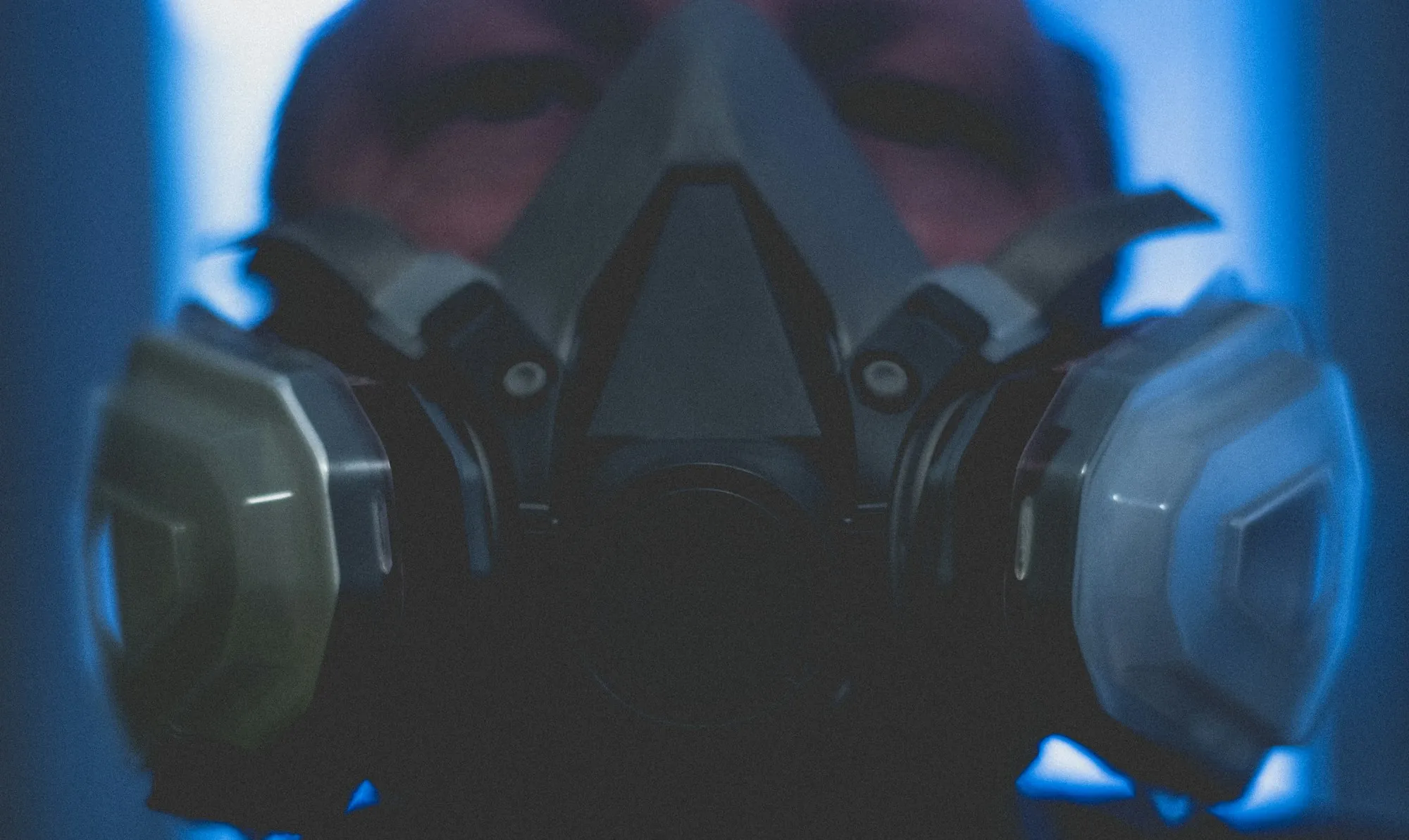
Get the Asbestos Settled and the Project Back Underway
Describe the material, the room it sits in and the project held up behind it, whether that is a kitchen remodel, a boiler swap, a house going on the market or a city permit. We will lay out whether testing comes first, how the removal would run and what you will have in hand when it is done.
Phones staffed at every hour for Levittown and its Nassau neighbors.