
Contained, wet and air cleared
Asbestos Removal in Levittown for Homes and Commercial Buildings
Suspect material lifted out behind taped plastic while filtered fans hold the room under lower pressure, then checked by an outside air test, so the remodel, heating swap or sale can go ahead.
Removal That Lets the Rest of the Project Continue
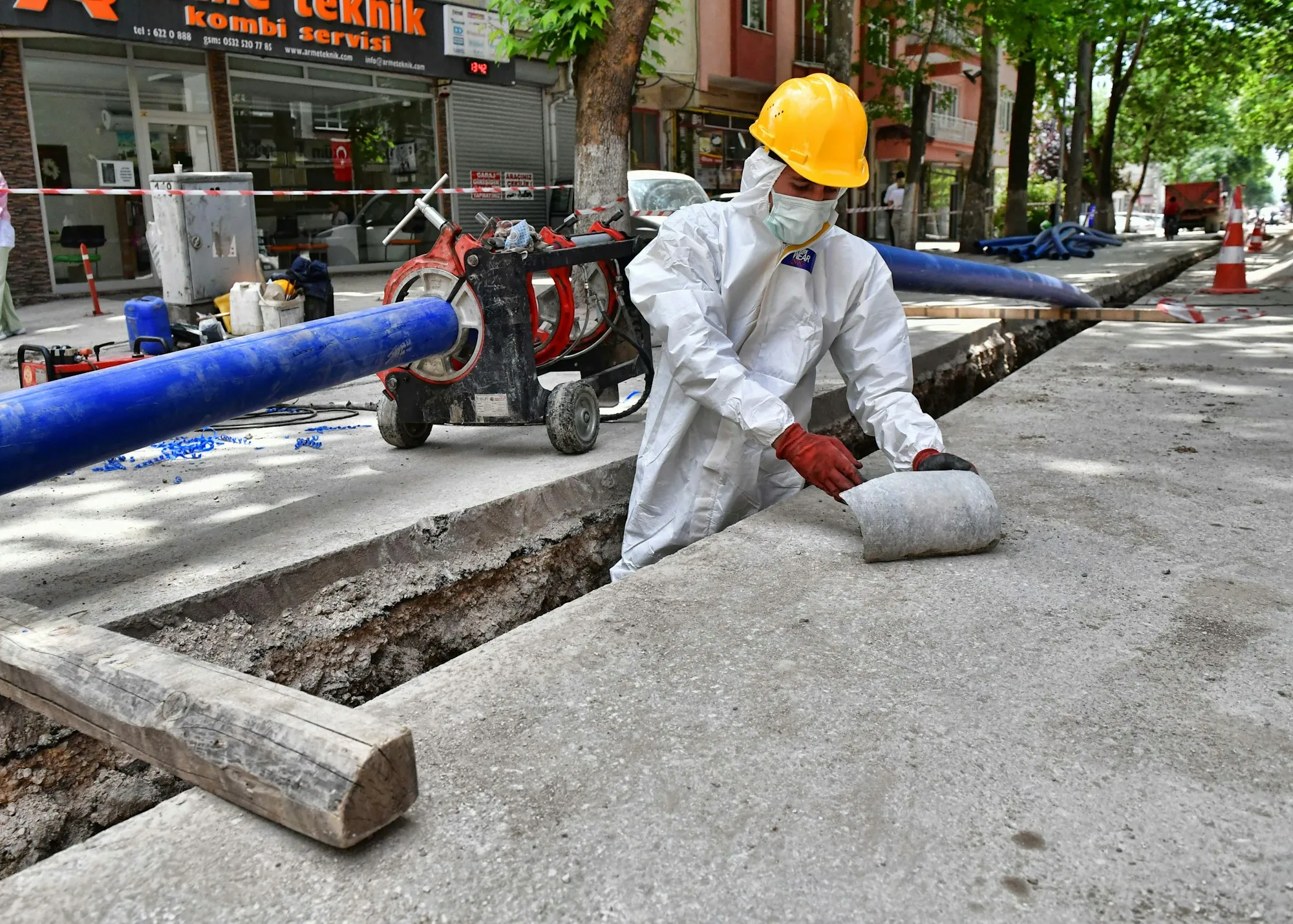
Nobody plans an asbestos job for its own sake. It surfaces halfway through some other piece of work. The old kitchen linoleum comes up and there is a grid of small square tiles stuck down with tar-black glue beneath it. A tired boiler is scheduled for replacement and the pipes running from it wear a chalky white jacket. A basement is being refinished and the ceiling carries a bumpy coating that nobody has ever had checked. In every version of this story, the point of the removal is getting back to the job that was underway, without dragging dust through the bedrooms in the process. That is the frame we bring to removals around Levittown. We sample first, because there is no sense paying to strip something that turns out to be harmless. Then the room is wrapped: poly sheeting on walls and floor, vents and doorways taped, and HEPA-filtered fans running so air always flows toward the work and never away from it. Our handlers keep the material damp while they take it down, pack it into marked, sealed bags or sheeting, and send it to a disposal site that holds a permit to accept it. The ending gets the same attention as the beginning. Every surface inside the plastic is HEPA vacuumed and then wiped by hand while damp, and an outside firm samples the air, which has to pass before your builder, tenants or family return. Outside the city, this work falls under the state's Industrial Code Rule 56, bigger projects call for advance notice to regulators, and we prepare that notice as part of the job.
Materials and Jobs We Handle
The materials that turn up on most calls, and the kinds of projects they usually interrupt.
Pipe and boiler insulation
Old heating plant jackets, elbows and lagging cleared away before the new system arrives or the basement gets finished.
Floor tile and black mastic
Nine-inch vinyl squares together with the black glue holding them down, lifted so the next floor goes onto bare, sound subfloor.
Popcorn and textured ceilings
Acoustic or sprayed coatings scraped down with the whole room wrapped, top to bottom.
Joint compound and plaster
Seam compound and wall finishes that came back positive, taken out before walls move or open up.
Siding and roofing shingles
Cement-based exterior shingles misted, pried off whole wherever they allow it and wrapped for hauling.
Duct wrap and HVAC insulation
Old wrapping on ductwork and air handlers stripped ahead of a new heating or cooling install.
Pre-sale and pre-demolition work
Clearing the way for a closing date, an interior gut or a structure about to come down.
Homes and commercial space
Houses, two-families, offices and shopfronts, with the containment laid out around whoever still needs the building.
How a Removal Job Runs
Sample and scope
Pieces of each doubtful material go off for lab analysis. With results back, you receive a written plan naming what comes out, how the room gets sealed, where the waste ends up and what the final air check must show.
Seal and remove
The room is wrapped in poly and put under filtered negative pressure. Handlers keep everything damp as it comes down, then bag, mark and seal it for a permitted disposal site.
Clean and clear
Surfaces are vacuumed through HEPA filters and hand-wiped wet, an outside tester samples the air, and only after it passes does the plastic come down and the room return to you.
Why Owners and Builders Bring Us In
Testing comes first
You are not paying to strip material that turns out to be harmless. The lab result decides the scope.
Dust stays where it belongs
With every opening taped and the zone under negative pressure, the other rooms keep breathing their own air.
A room you can actually use
The job is not finished until the air test passes and the space is clean enough to hand back.
- Scope set by lab results
- Filtered negative pressure
- Material kept damp
- Outside air check before handoff
Found Something Suspicious Mid-Renovation?
Pause the work in that room and describe what you are looking at. We will tell you whether it needs sampling, what the removal would take and when your contractor can return.