
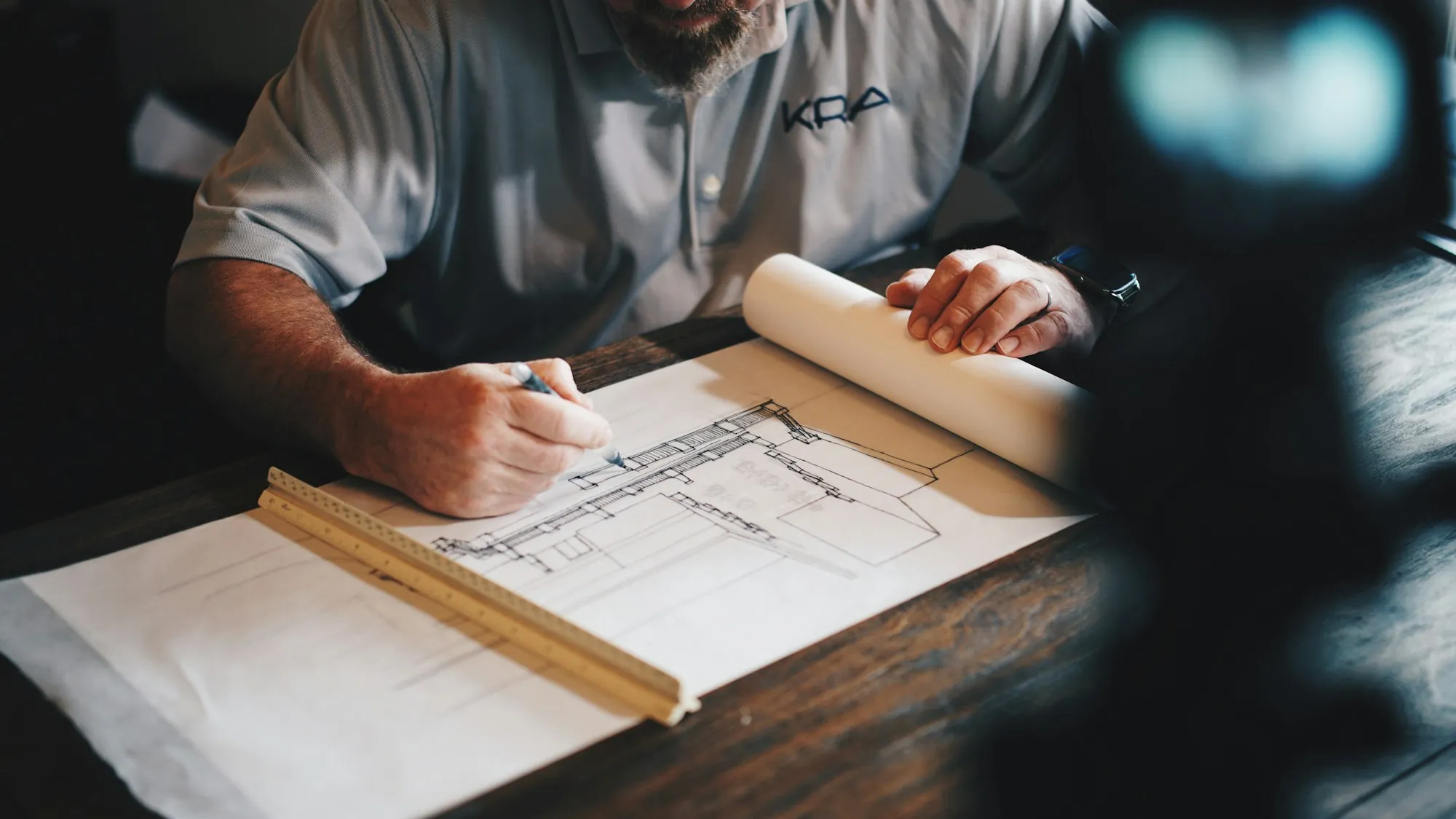
For projects inside city limits
ACP-5 Filing for Levittown Owners and Contractors With City Projects
The DEP assessment form that so many New York City building permits wait on, prepared after an honest survey so the asbestos side does not hold your application.
Keeping a City Permit From Stalling on Paperwork
A good number of people who live or base a business around Levittown also hold property or run jobs over the city line. Maybe it is a six-family in Ridgewood, a shop on a busy Bronx avenue, or a gut renovation a contractor is managing in Flatbush. Work inside the city answers to a separate asbestos program overseen by the city's environmental agency, DEP, which brings a form that catches many owners by surprise: the ACP-5. Its formal name is the Asbestos Assessment Report, and a DEP-certified investigator signs it once they have surveyed the spaces your project will touch, and it goes in with most Buildings Department permit applications whenever the job will leave regulated asbestos undisturbed. Leave it out and the application tends to sit. If the survey instead finds asbestos the work would disturb, the order of operations changes: that material must be abated first, with a project notification on file, before construction can continue. We take care of either outcome. Suspect materials are sampled with care and analyzed by a lab with proper accreditation, and you get a plain account of what turned up and which filing comes next. One clarification matters here. The ACP-5 is strictly a city requirement. Jobs in Levittown and the rest of Nassau County follow state rules under Industrial Code Rule 56 instead, and we are glad to explain how the two systems differ for any property you own.
Inside an ACP-5 Engagement
Each piece that the asbestos half of a city permit relies on.
Survey of the work area
An investigator with DEP certification inspects every space and material your planned work will reach.
Sampling and lab analysis
Doubtful materials sampled and analyzed so the report rests on lab findings rather than assumptions.
The assessment report
The signed ACP-5, for jobs that will leave regulated asbestos alone.
A clear answer when asbestos is found
If the survey finds material the work would disturb, you hear exactly what has to happen next.
Abatement under project notification
When removal is required first, it is filed and carried out under the proper notification.
Coordination with your expediter
We work alongside the architect, expediter or general contractor handling the rest of the permit.
Residential and commercial
Apartments, co-ops, condos, rental buildings, offices and retail space.
Straight talk on timing
An honest picture of what the filing involves, without promises about how fast the city moves.
How the ACP-5 Process Works
Describe the project
Let us know which borough, what sort of building, what the planned work covers and how far along the permit application is.
Survey and samples
Our DEP-certified investigator walks the affected spaces and pulls samples from anything doubtful for laboratory review.
Report or abatement
Clean results lead to a signed ACP-5. Positive results on material the job would touch mean abatement gets planned and filed before anything else.
Reasons Builders Give Us the ACP-5
Survey before signature
The report reflects what is actually in the building, not an assumption.
Both outcomes covered
If abatement is needed, it does not become a separate search for another company.
Permits not left waiting
The asbestos piece is handled so the rest of the application can move.
- DEP-certified investigator
- Accredited lab results
- Filings handled
- Abatement if required
Permit Stuck Behind an Asbestos Form?
Give us a sketch of the property and the planned job. We will explain whether an ACP-5 fits, whether abatement has to come first and what the survey involves.